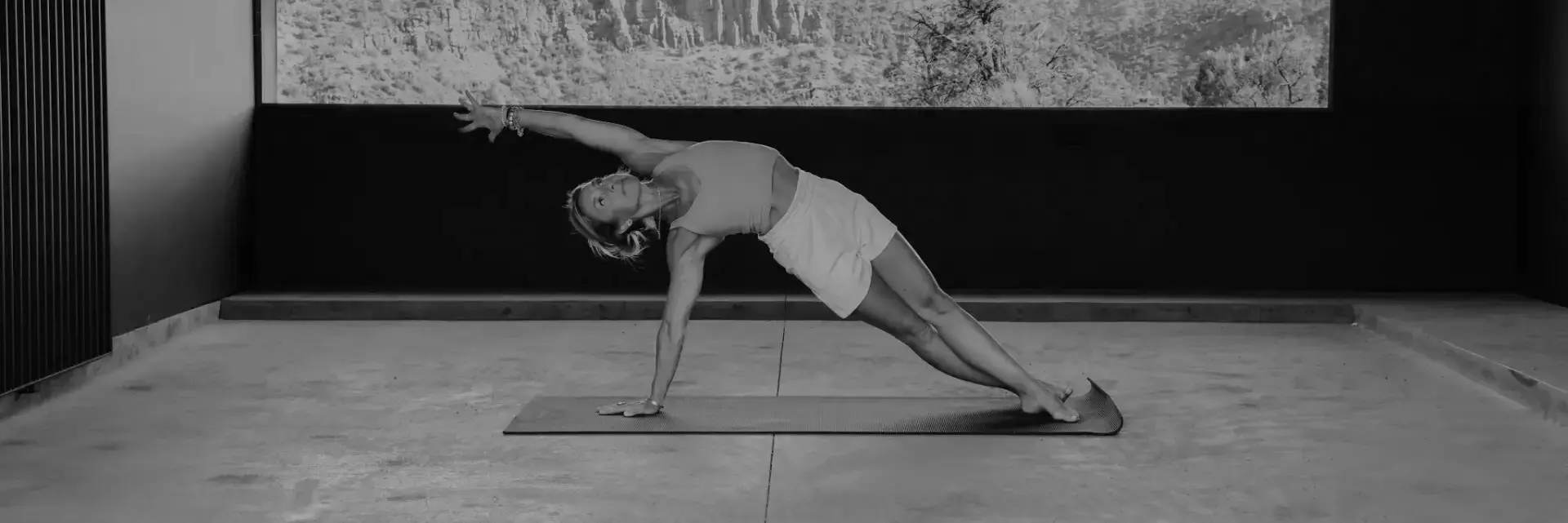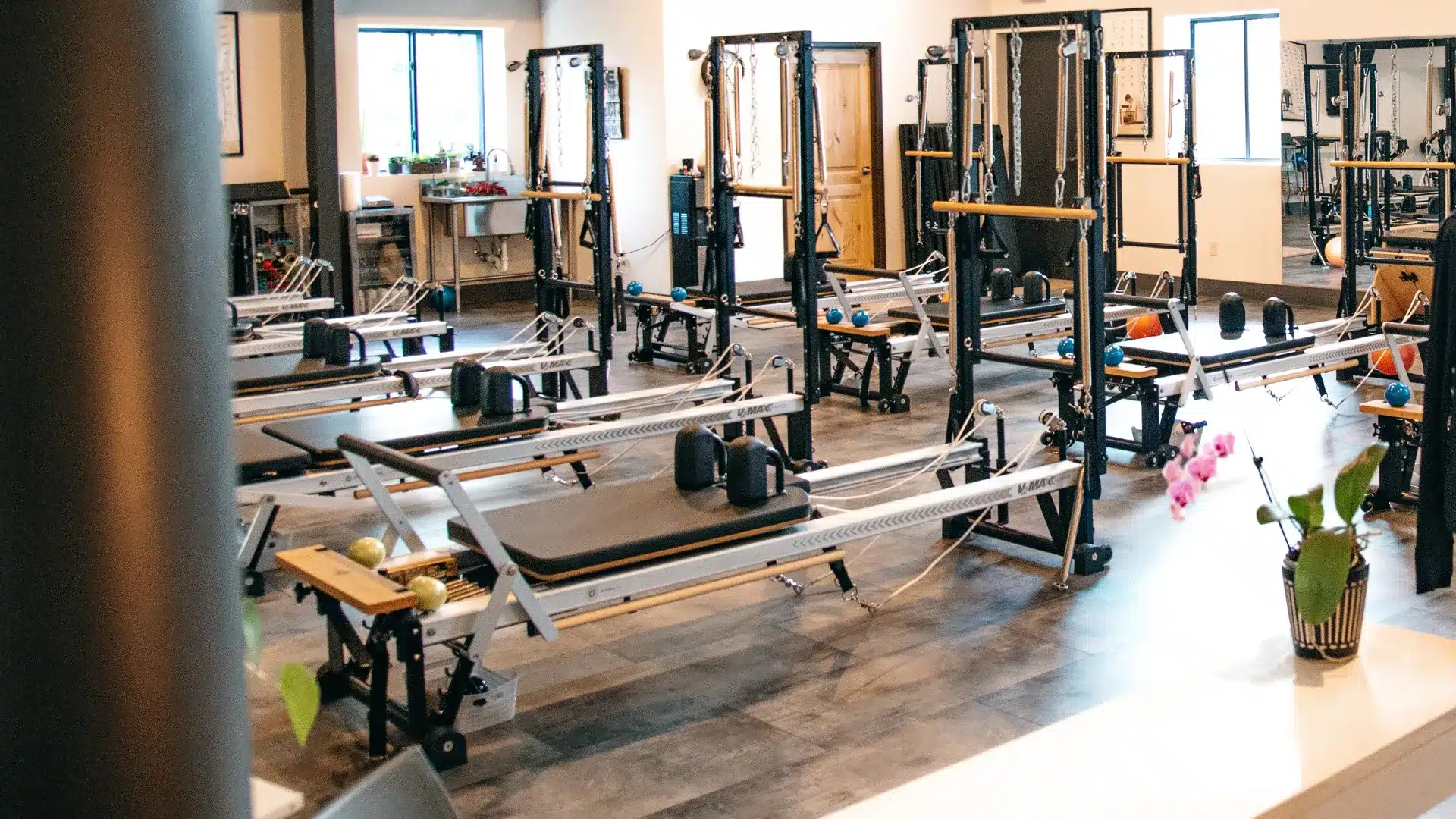
After 25 years of teaching Pilates, it is encouraging to see more people beginning to recognize and experience the profound difference that true Pilates can make. One of the most challenging trends, however, is the rise of so‑called “overnight” Pilates instructor training programs. Many individuals come into my studio stating that they are Pilates instructors, either uncertified or trained elsewhere, and it quickly becomes clear from observing them that their education did not provide sufficient depth to understand the true heart and essence of the work. Quite honestly, Joseph Pilates would likely be turning in his grave if he saw the way many people are teaching his method today.
Reading Caged Lion, which explores the origins of Pilates and its integration into the fitness world after Joseph Pilates’ passing, was very eyeopening. The work was created to heal bodies, not to generate profit, and that tension between purpose and business remains very real. While it is possible to be highly skilled at healing bodies and understanding movement, the business side of earning a living through this work is often the most difficult part.
Today, many people are capitalizing on the financial opportunity of Pilates without truly understanding how to teach it safely or effectively. There are franchises opening multiple Pilates studios owned by individuals who neither practice nor fully understand the method. For example, there are studio owners with numerous locations who have never taught a single Pilates session and are involved solely from a business standpoint. In contrast, there are instructors like myself and many of my colleagues who spend 10 to 12 hours a day in the studio, working directly with clients, teaching Pilates, and helping people change their lives through movement, leaving limited time and energy for marketing or business development. In the professional world, those who promote themselves most effectively are not always the ones who do the best work, while those who are deeply invested, day in and day out, often have less capacity to market themselves.
Equally concerning is the level of training with which many new instructors are entering the field. Their preparation is not only limited but, in some cases, truly dangerous. Countless times, clients have come into my studio after doing Pilates elsewhere for years, and once they begin moving, it is alarming how little control, body awareness, or proper form they demonstrate. The risk of injury can be so significant that it becomes a liability to include them in a class setting. Joseph Pilates founded his method on core principles such as concentration, control, fluidity, and precision. What is increasingly visible in popular Pilates trends today, however, are fast, forceful movements performed with minimal attention to form, breath, or mindful control—directly opposing the very principles on which Pilates was built.
The Problem with “Overnight” Pilates Certifications
One of the most concerning trends in the industry today is the rise of “overnight” Pilates instructor training. These programs often offer quick credentials but lack the depth, rigor, and mentorship required to truly understand the method. As a result, people may be teaching Pilates without a solid grasp of anatomy, alignment, or the underlying principles that make the work safe and effective.
In my own studio, I have met many instructors who were told they were “qualified” after a very brief course, yet their movement patterns and teaching approaches clearly show gaps in knowledge. This is not only a disservice to clients, but also to the legacy of Joseph Pilates, who devoted his life to refining this system. If he could see some of what is marketed as Pilates today, he would likely be deeply disappointed.
Pilates, Profit, and the Legacy of Joseph Pilates
Reading Caged Lion, which explores the birth of Pilates and its integration into the fitness world after Joseph Pilates’ death, was eye-opening. It highlights how his work was originally created to heal bodies, not to generate profit. That tension between purpose and business still exists today. Many dedicated teachers excel at healing, movement, and client care, yet find the business side—marketing, scaling, and monetization—much more challenging.
At the same time, the industry has attracted people who see Pilates primarily as a business opportunity. There are franchise owners who operate multiple studios, yet have never taught Pilates themselves and may not truly understand how the method works. In contrast, instructors like myself and many of my colleagues spend 10 to 12 hours a day in the studio, working hands-on with clients and helping them move differently and live better. The reality in many professions is that those who market themselves best are not always the ones who do the best work, while those pouring their energy into the craft often have less time to promote it.
When Pilates Training Becomes Dangerous
Another serious issue is the quality of training with which many instructors and long-time clients are entering the studio. The problem is not only limited education—it can be genuinely dangerous. Over the years, countless people have come to my studio after doing Pilates elsewhere for a long time, and once they begin moving, it is clear they lack control, body awareness, and proper form. Their movement patterns are sometimes so unstable that allowing them into a group class could pose a real risk of injury.
Joseph Pilates built his method on core principles: concentration, control, fluidity, and precision. What is trending in many modern Pilates settings, however, are fast, intense routines that prioritize speed and exertion over alignment, breath, and mindful control. When these principles are ignored, Pilates stops being a healing, intelligent system and becomes just another workout—one that can potentially do more harm than good.