What is Fascia
Fascia is the body’s connective tissue. Made mostly of collagen, it is a fibrous framework that connects muscles, bones, tendons, ligaments and blood, supporting and protecting major muscle groups and organs – it is everywhere throughout our bodies. Fascia essentially holds us together and gives us our shape. Our posture is determined by our fascia; to change posture, one must change fascia first.
Fascia also functions as a communication system between the body and the central nervous system. It is so richly enervated that sometimes it is considered an extended part of the brain; it certainly has a significant influence over our emotional and mental state.
In addition, fascia stores, releases and transmits the energy. For example, tendons – the tight fascial tissue – ensure the transfer of power between muscle and bone.
When fascia is healthy, it is supple and flexible, enabling the body to move, twist and bend easily. During the process of aging, the proportion of water in connective tissue decreases and fascia fibers become increasingly matted, tight, clumpy and sticky, preventing the layers of tissue from sliding freely. If the fluid flow is disrupted, fascia can impede movement and there will be body-wide metabolic and nervous responses – we feel pain and discomfort and our gait patterns become distorted.
New Knowledge About Fascia
Our understanding of fascia has changed dramatically in the last few years.
For example, back pain does not necessarily result from vertebral or intervertebral disc problems, but from the fascia degeneration. Delayed onset of muscle soreness originates in the fascia enveloping the muscle. The unwelcome cellulite likely results from decreased elasticity of the superficial fascia. It seems that many soft tissue complaints, like neck pain, the dreaded plantar fasciitis, frozen shoulders, heel spurs pain, or problems in cartilage, such as arthritis in fingers, are signs that our fascia network reacts in an obstructive way, when it is incorrectly exercised or underutilized.
Most of the above-mentioned problems have mainly been explained by excessive wear and tear. The most likely explanation now seems to be the exact opposite – insufficient using, stretching and loading of the joints over their full original available range of motion.
We now also know that there are long elastic chains of muscle-fascia units that run through the entire body – from the scull to toes. These long myofascial slings are responsible for posture, stability, and fluid movement. Muscles do not work well by themselves, but their functioning is smooth if we ensure a proper tensional distribution and force transmission along the entire length of slings. Traditional strength training and regular exercises targeting individual muscles or muscle groups do not sufficiently train the body-long myofascial slings. Fascia needs a different kind of stimulation and specific moves designed for the body as a whole.
The health and quality of fascia can be measured by its elasticity and suppleness which allow for elegant, dynamic and youthful movement. Age, stress, sedentary lifestyle, injuries, poor posture and diet gradually decrease the fascial elasticity and hydration and distort its structure – but with the right training, fascia can be restored and maintained.
Examples of additional fascia-stimulating type of movement include:
- deep sustained pressure,
- light fast tapping,
- bouncy elastic movements,
- melting stretch, resistant stretch, or pandiculation
- vibration,
- swinging,
- multidirectional nonrepetitive movement, like undulations
- large variety in movement direction, surprise, and playfulness…
Pilates, including Pilates jumping, on its own benefits fascia in many ways. We are bringing you new – complementary to Pilates – classes that try to fulfill additional criteria required for fascial health.
The fascia training and stretching should supplement rather than replace your current training programs. Hopefully, it will add new elements that have been missing so far.
MYOFASCIAL Pilates and STRETCH Training Aims to:
- stimulate and rehydrate both the deep visceral and more superficial connective tissue
- eliminate connective adhesions to increase range of motion and reduce pain
- increase elastic capacity and strength of tendons and ligaments to produce more youthful dynamic movement
- balance tension and ease force transmission along the myofascial slings in order to ensure proper gait mechanics
What the training may include:
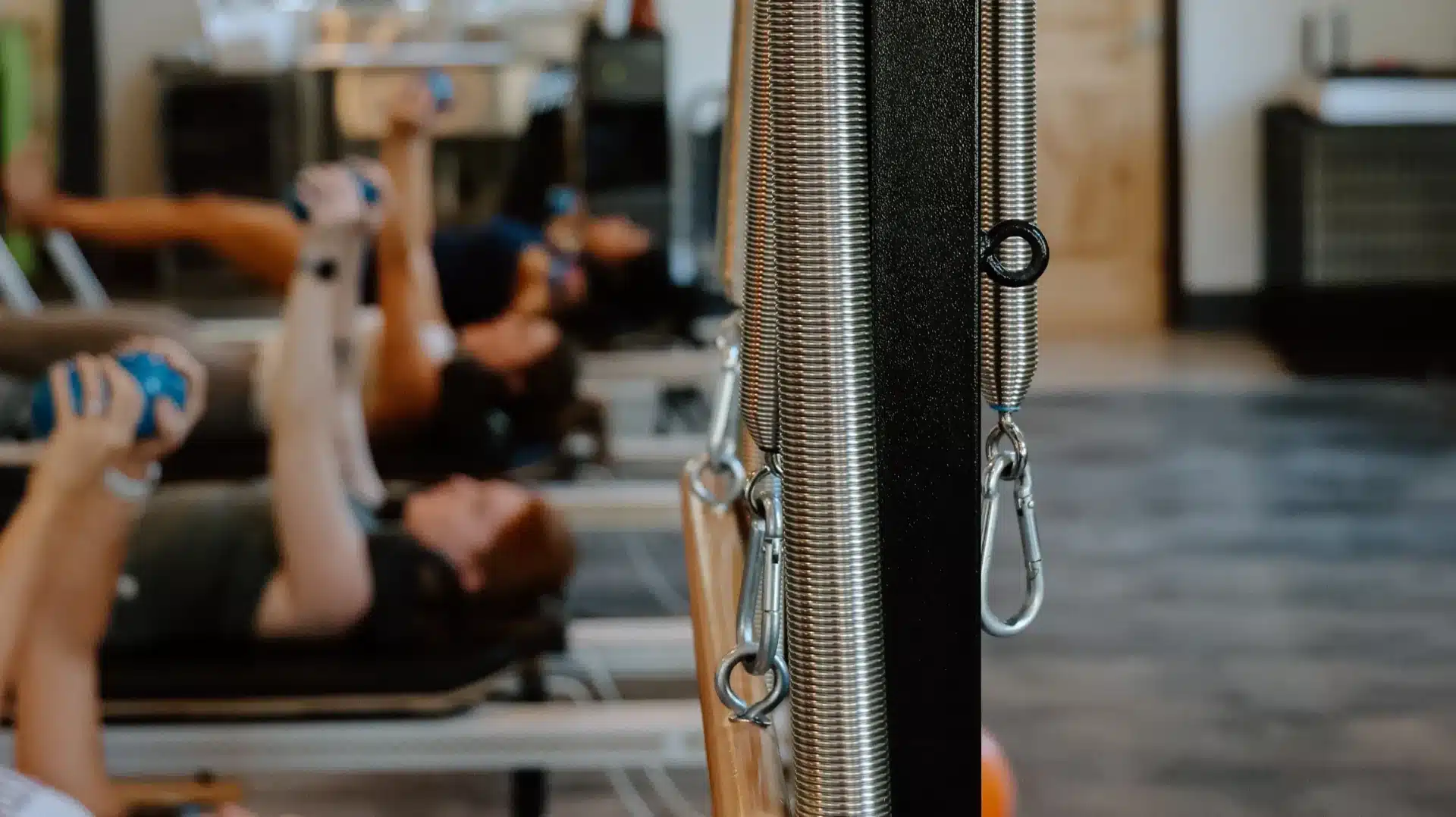
- rhythmic spring-like movements using bouncy balls,
- spinal undulations,
- unloaded bouncy movement patterns intended to calm,
- breath pattern exploration,
- exercises varying tension and stimulating force transmissions along the myofascial chains with help of loop bands,
- exercises increasing ease of functional movements focusing on proper gait mechanics such as swinging contralateral patterns in walking,
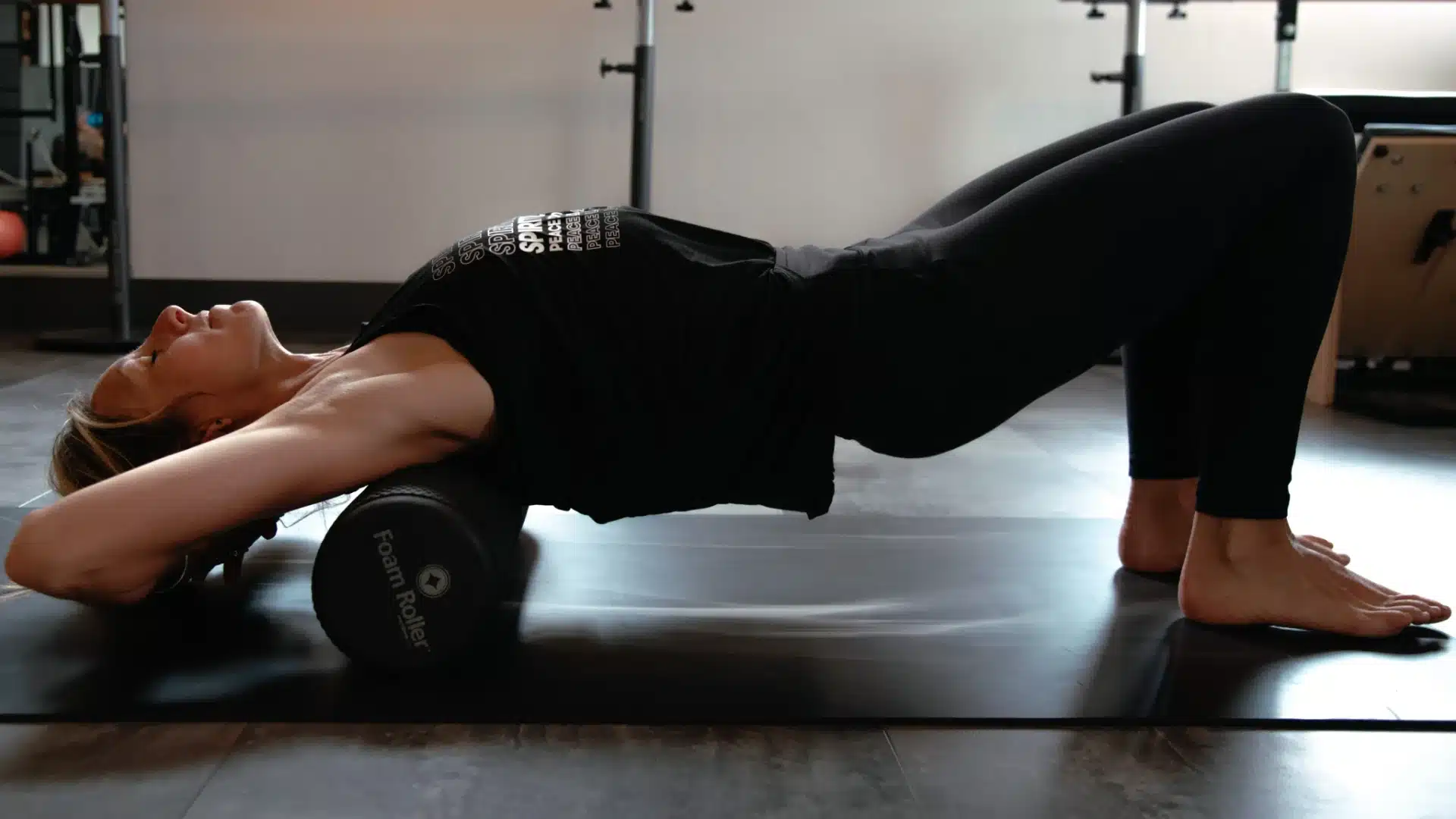
- rolling, shearing or swing motions to address tissue hydration and adhesions and enhance the range of motion,
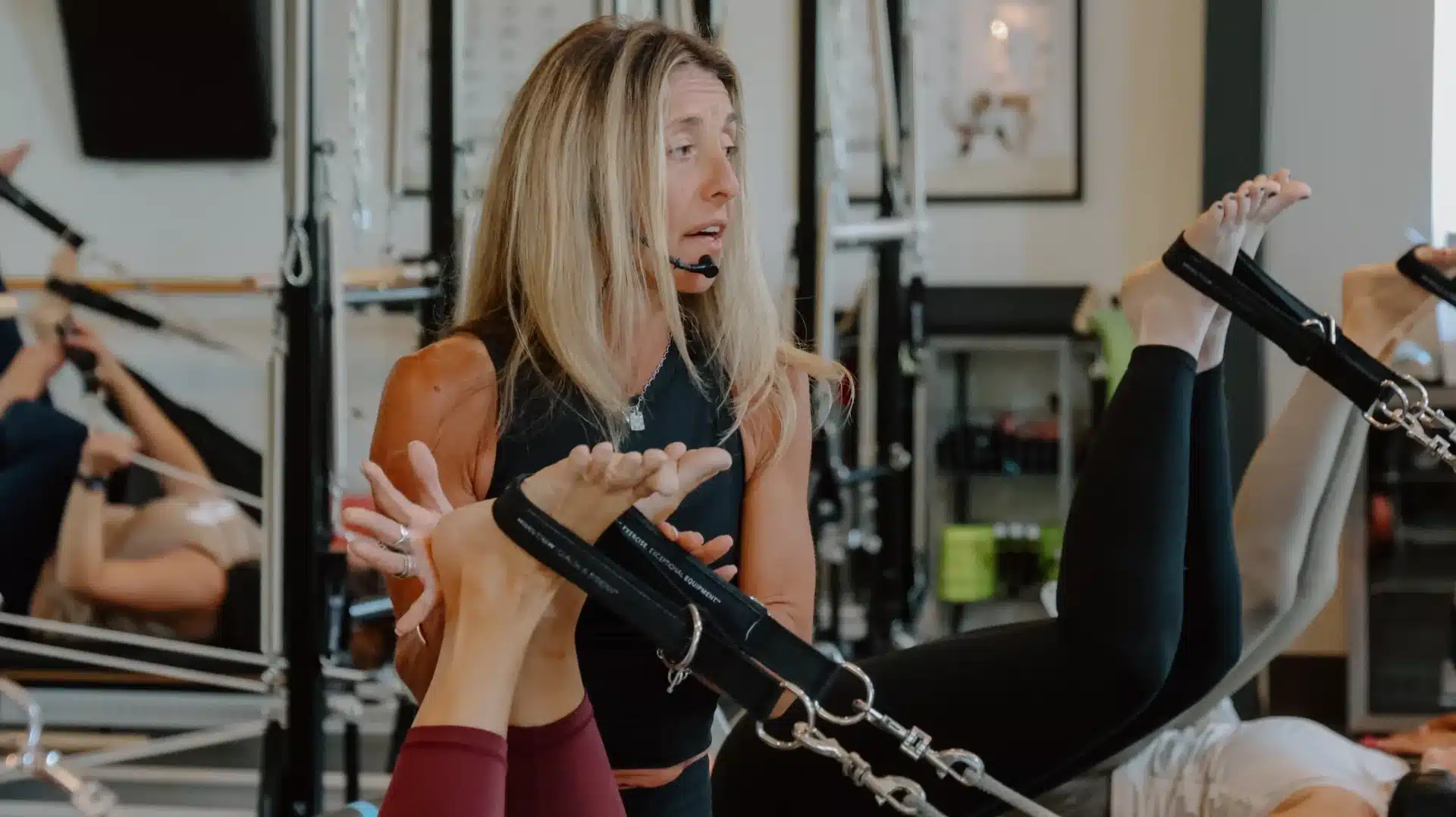
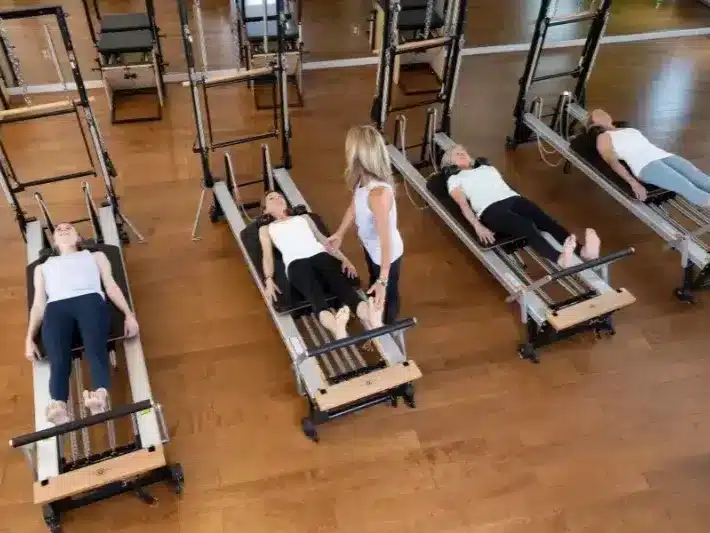
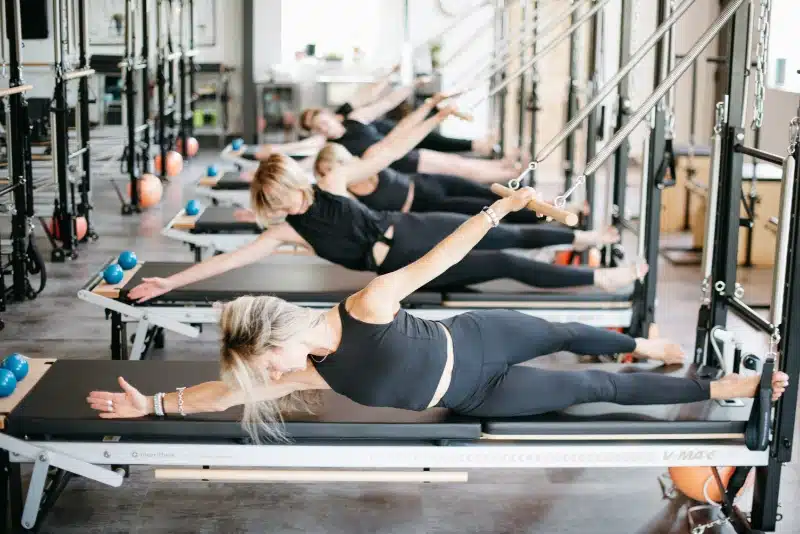
· Pilates exercises on equipment involving multi-directional movements aiming to employ the majority or the entire length of myofascial lines.
Examples of additional fascia-stimulating type of movement include:
- deep sustained pressure,
- light fast tapping,
- bouncy elastic movements,
- melting stretch, resistant stretch, or pandiculation
- vibration,
- swinging,
- multidirectional nonrepetitive movement, like undulations
- large variety in movement direction, surprise, and playfulness…
Pilates, including Pilates jumping, on its own benefits fascia in many ways. We are bringing you new – complementary to Pilates – classes that try to fulfill additional criteria required for fascial health.