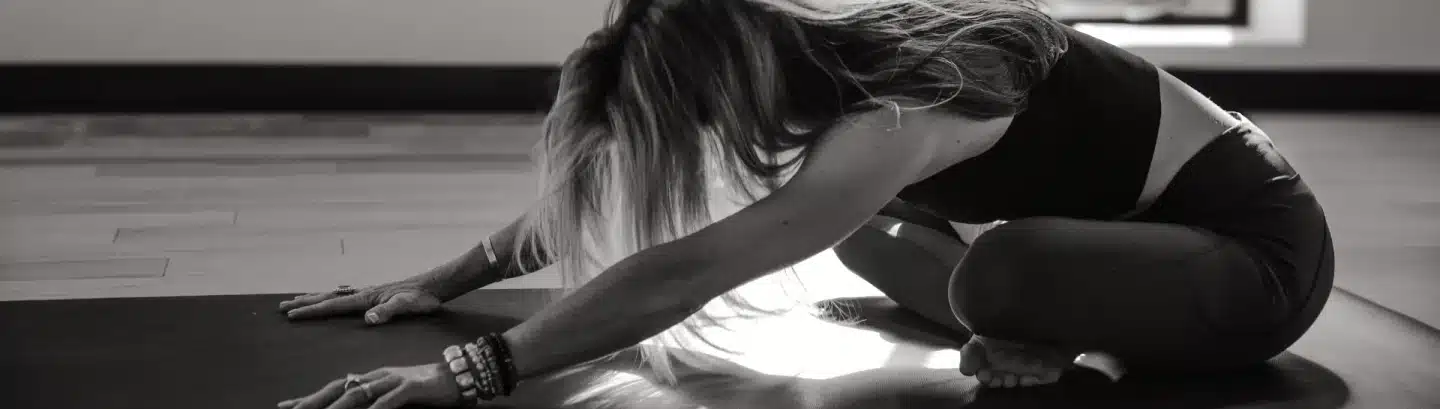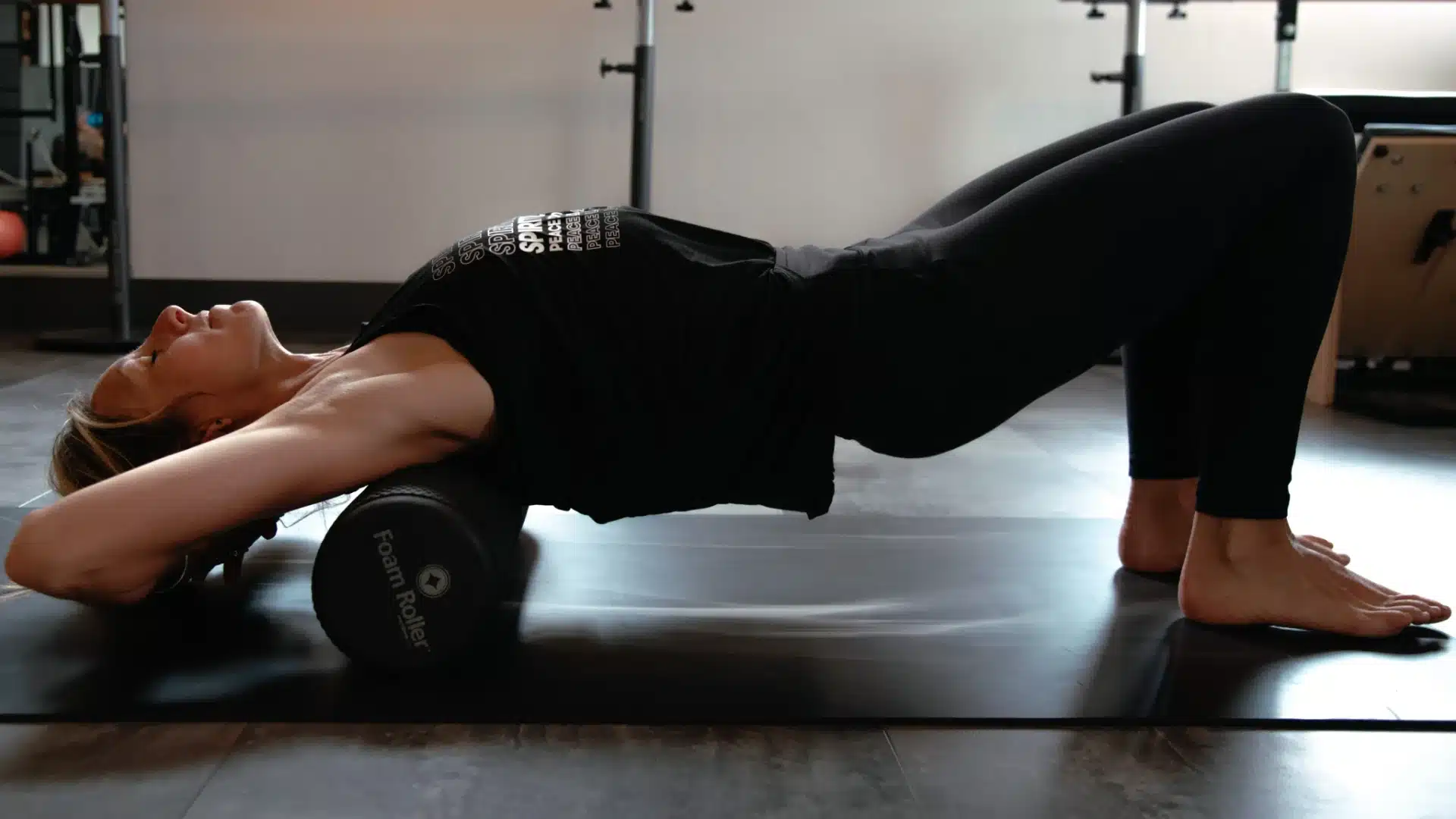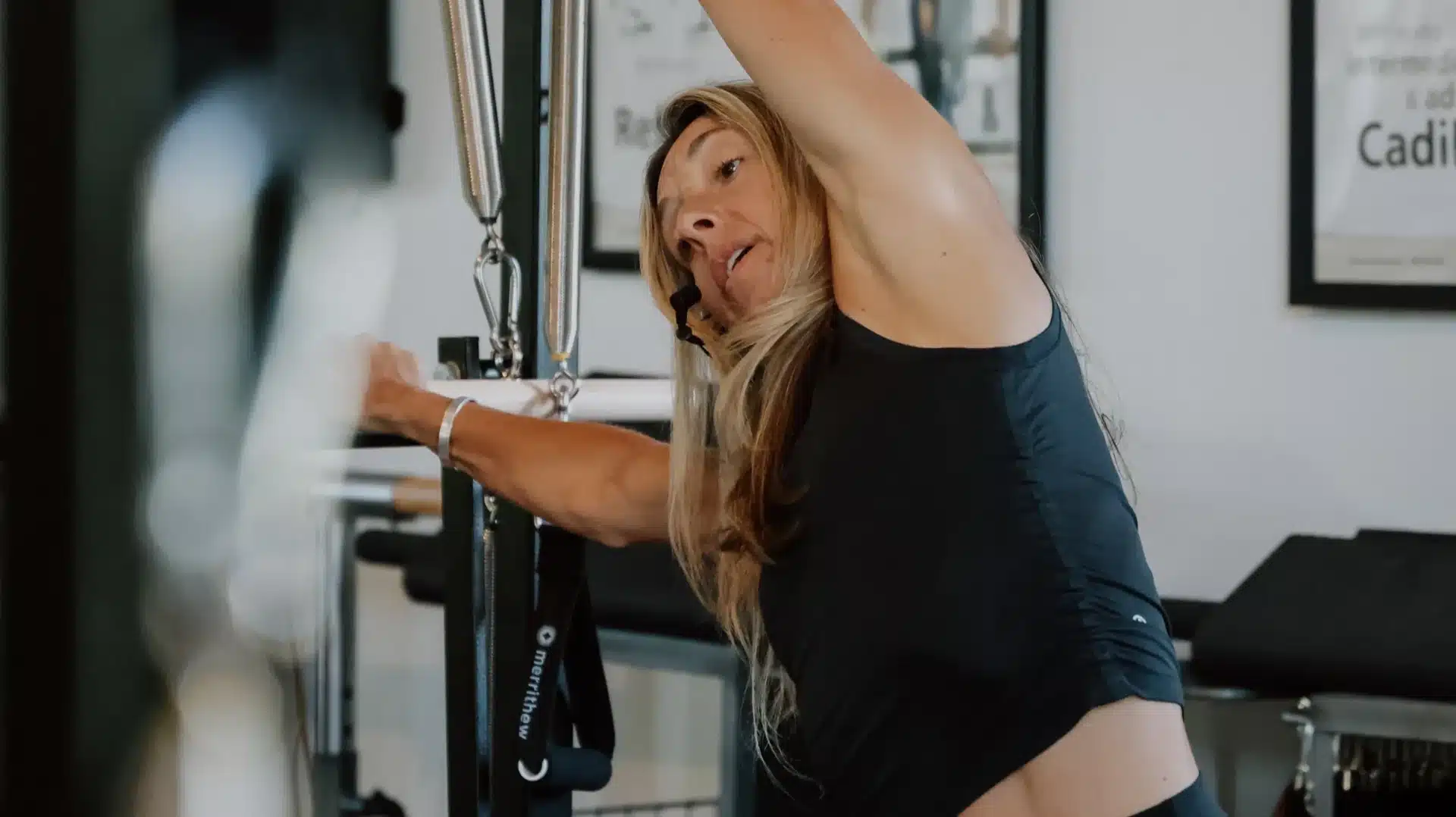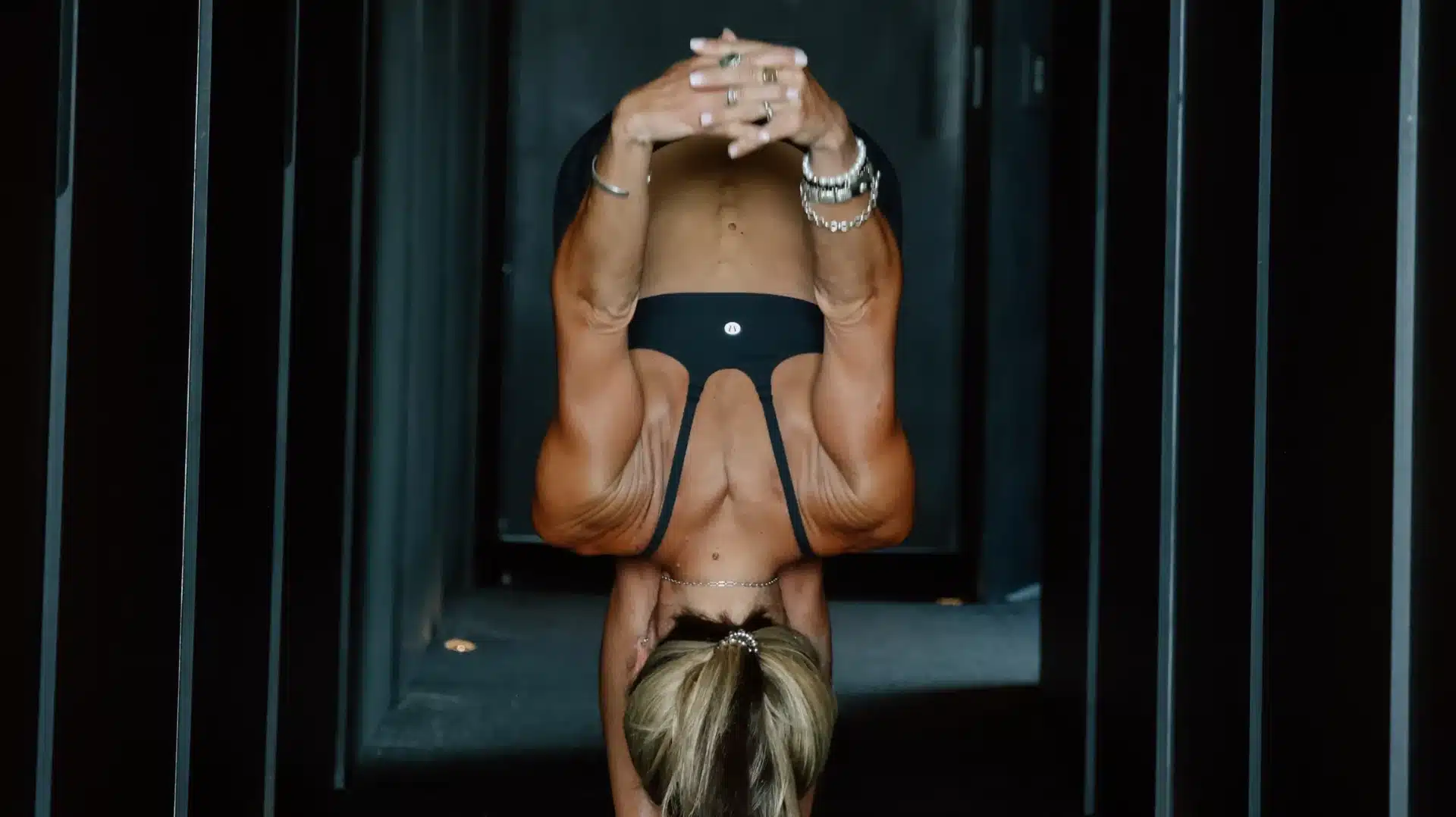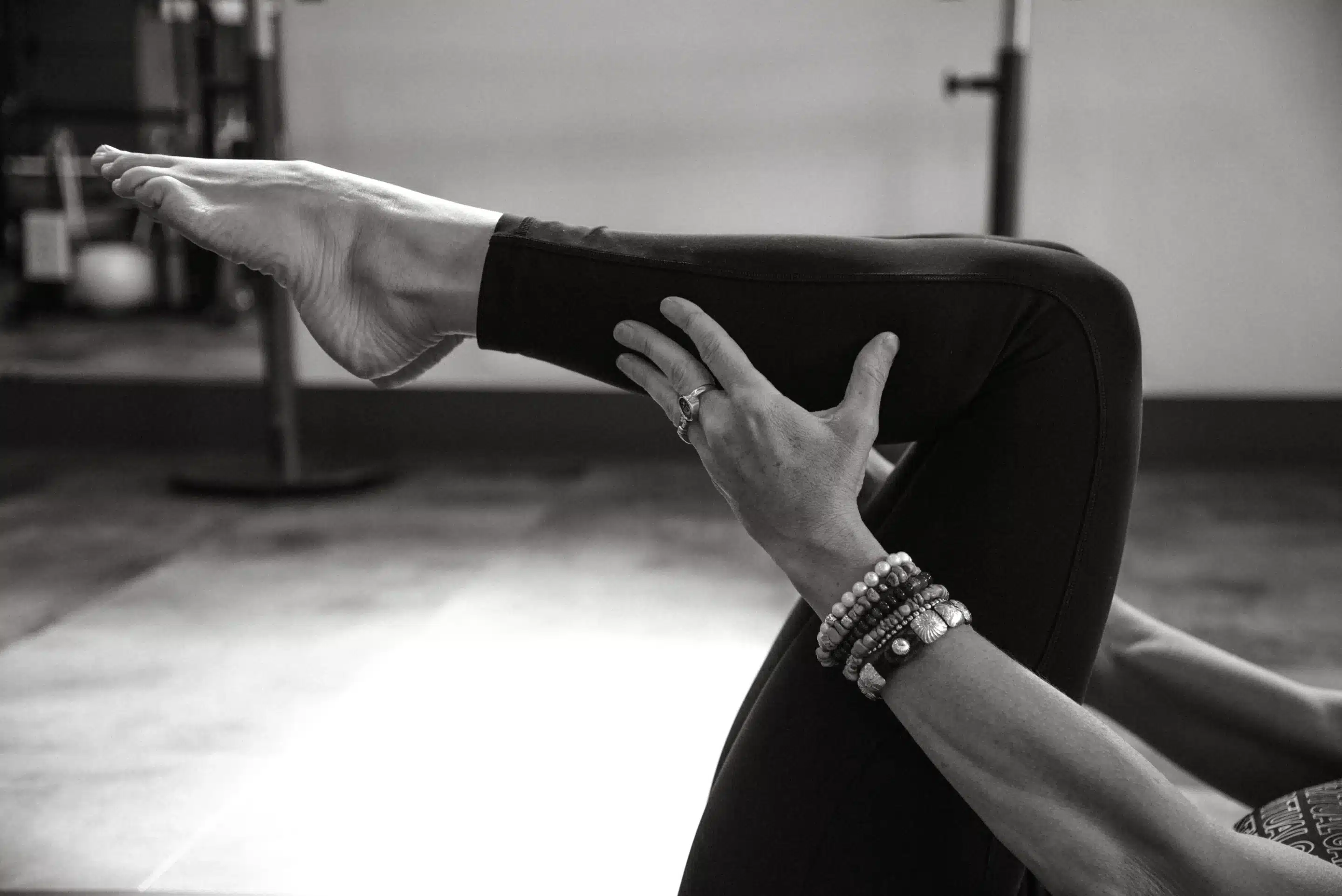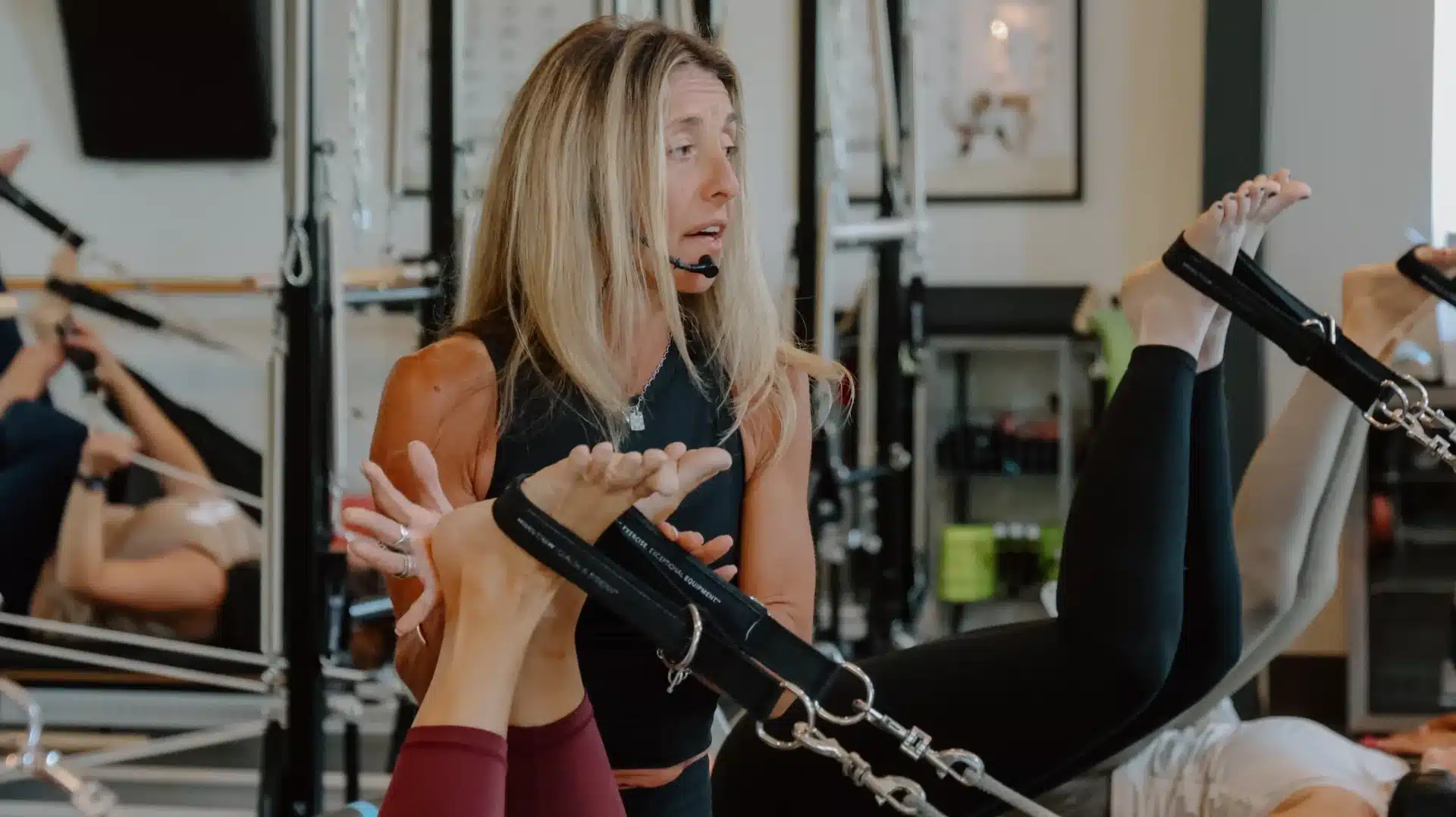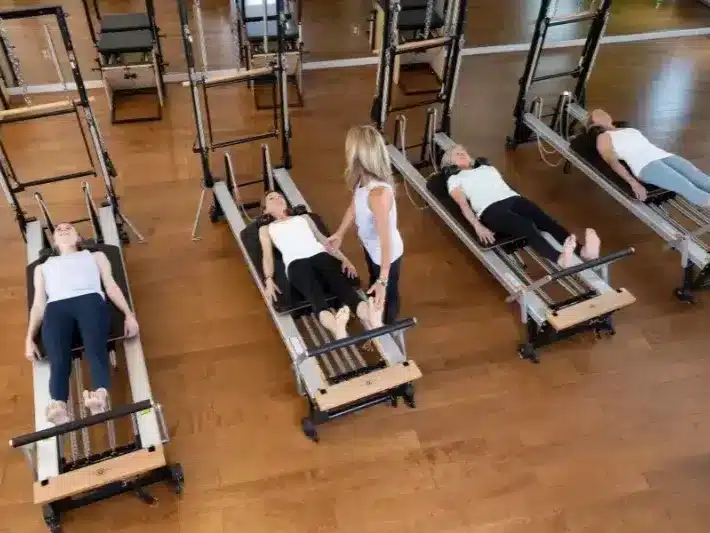
These are all suggestions for simple exercises influencing several myofascial lines.
Sense
Always try to feel the difference before and after exercise to improve overall sensory awareness (proprioceptive and interoceptive dysfunctions are connected to conditions such as low back issues, scoliosis, myofascial pain syndromes, depression or anxiety, for example).
Pandiculation
- any time you get up from any resting/sitting position, stretch the whole body – imagine how your pet might do it
- this should feel good; when you look at a cat stretching, it is enjoying itself, so, do not do anything that does not feel good
- yawning might be induced while stretching – then you will know that you truly reconnected your nervous and fascial systems after being inactive
Roll out your feet
- Use a tennis ball, spiky ball, or any other small ball available
- Start in the middle of the foot and try to release tension by staying on the spot for several deep breaths
- Roll along the edges and through the midline of the foot using deep sustained pressure
- Do not rush through this – 2 minutes per foot
Stretch your calves and Achilles tendons regularly
Shake your tension off
- try to keep your spine tall and all joints well aligned when doing this in order to be able to relax into it and keep rhythm without compressing your joints
- shake for at least 3 minutes; the longer, the better
Pay attention to your walking pattern
- articulate through your feet: “heel-ball-toe” and use your toes to push yourself forward
- move your arms – especially backwards
- rotate through your spine lightly while trying to be tall
Relax your spine and neck
- on your knees and hands
- try to articulate through each vertebra separately as you evenly round through spine, then extend, and finally side bend – can combine these positions into one smooth movement
Elastic jumping
- If your tendons are not very elastic, start extremely slowly: 3 to 5 hops, then 5 steps (heel-ball-toe); repeat the set only 3 times; not more often than every third day – it will take at least half a year (probably more than one year) to change structure of your tendons
- articulate through your feet when jumping
- try to jump as lightly and silently as possible – no huge muscle effort
Shoulder elastic jumping
- this is similar to elastic jumping, but you are using your hands
- stand relatively close to wall, posture as if in a plank position – abs and glutes active – and push yourself lightly silently off the wall
- articulate through your hands