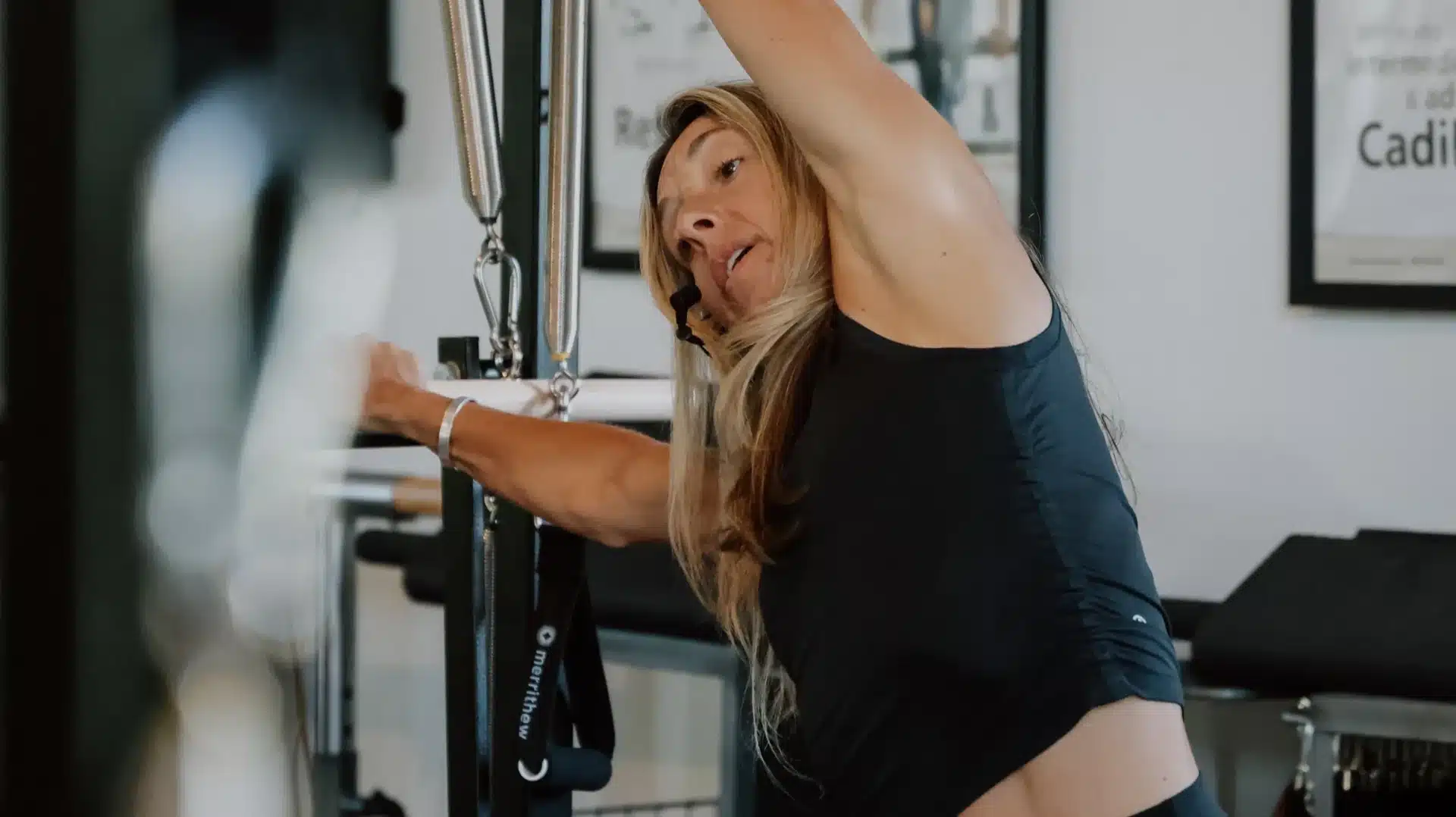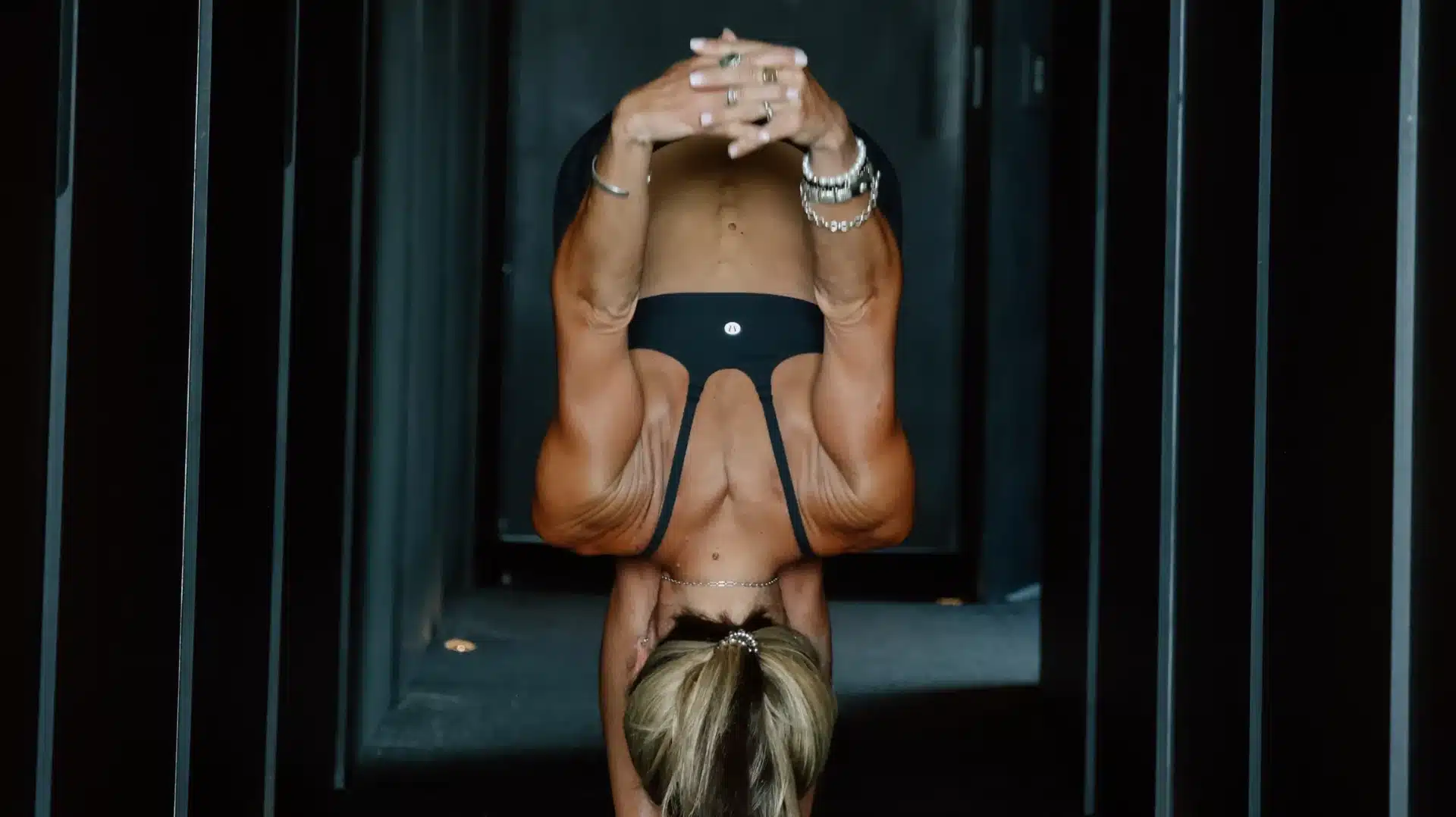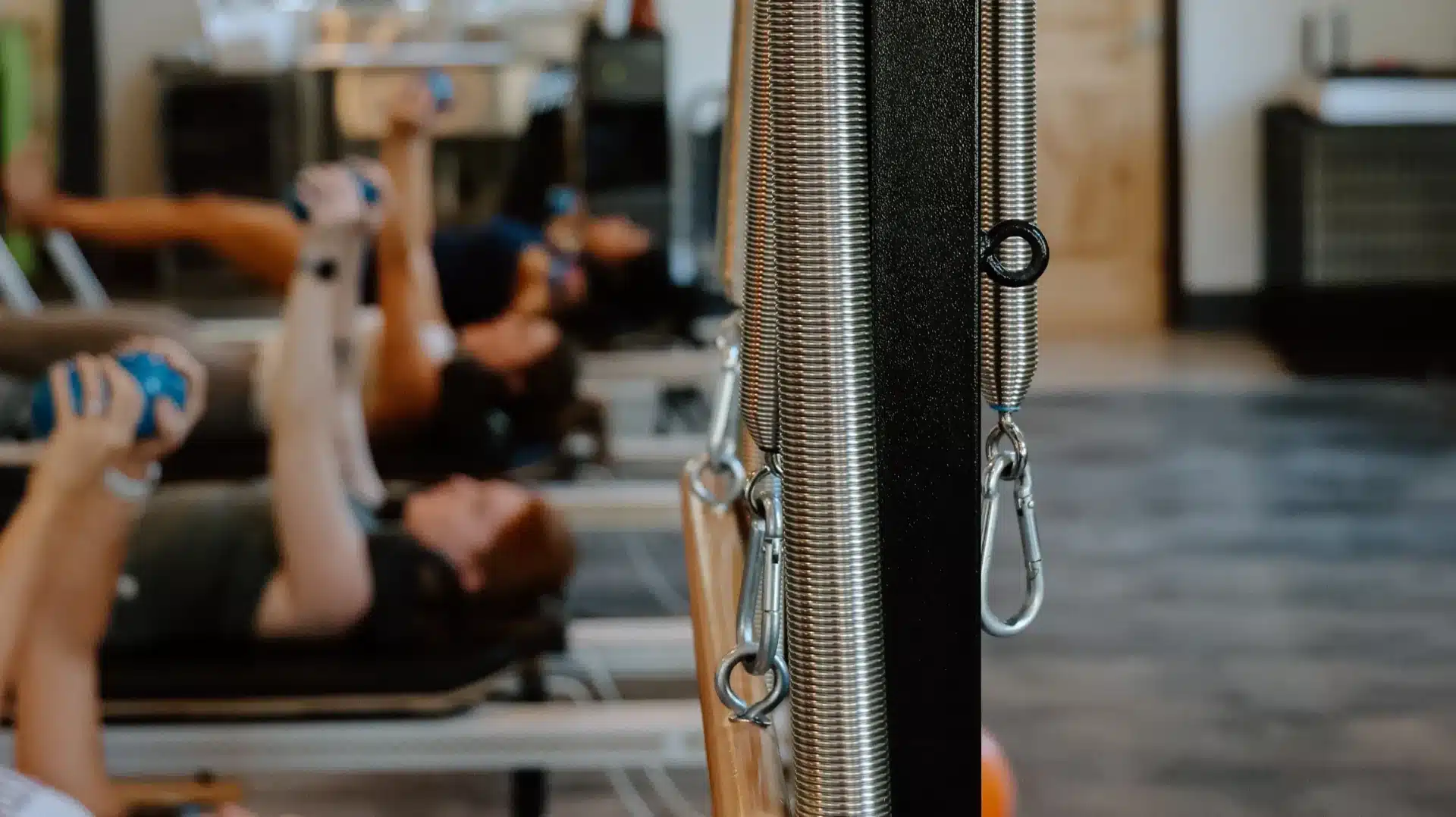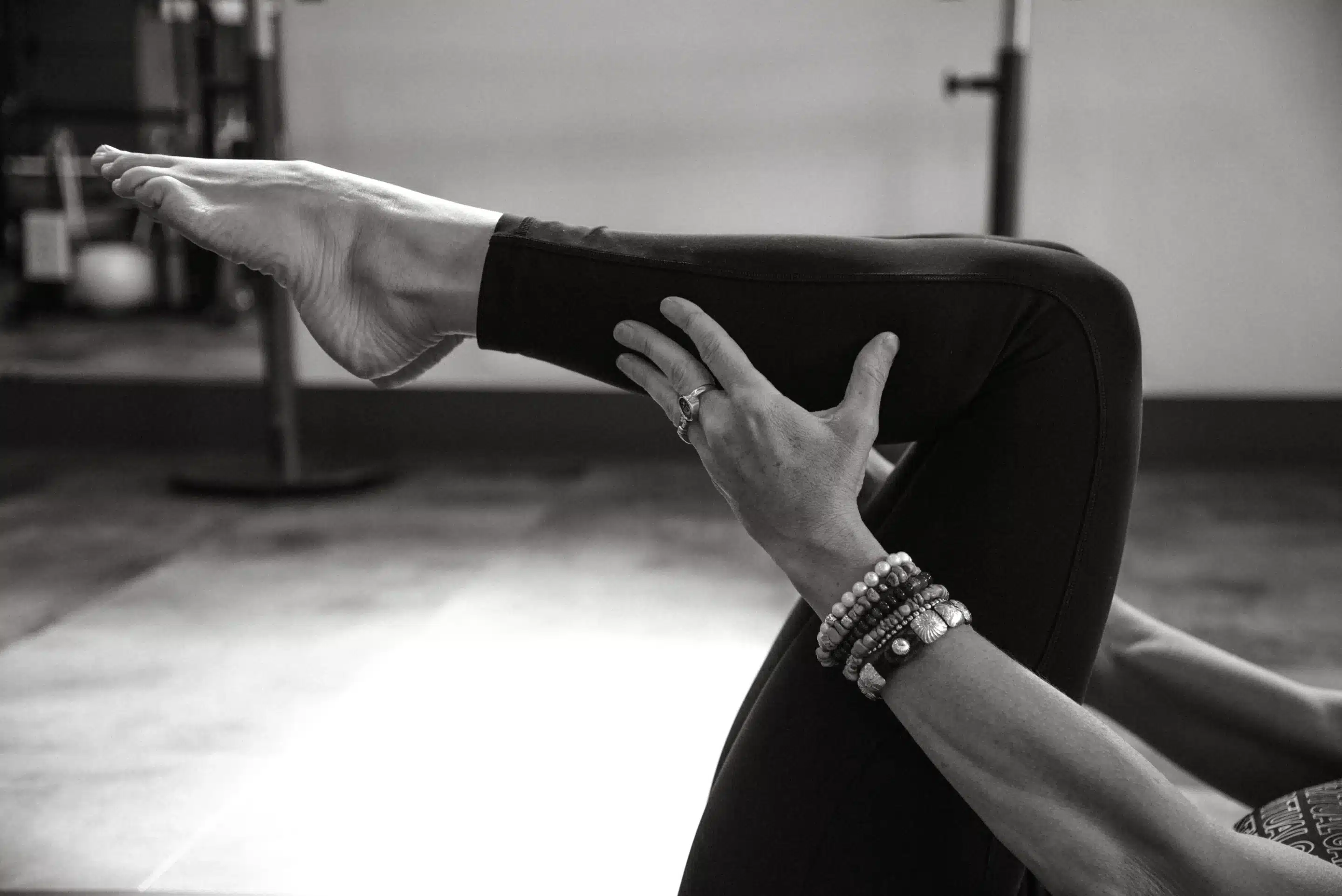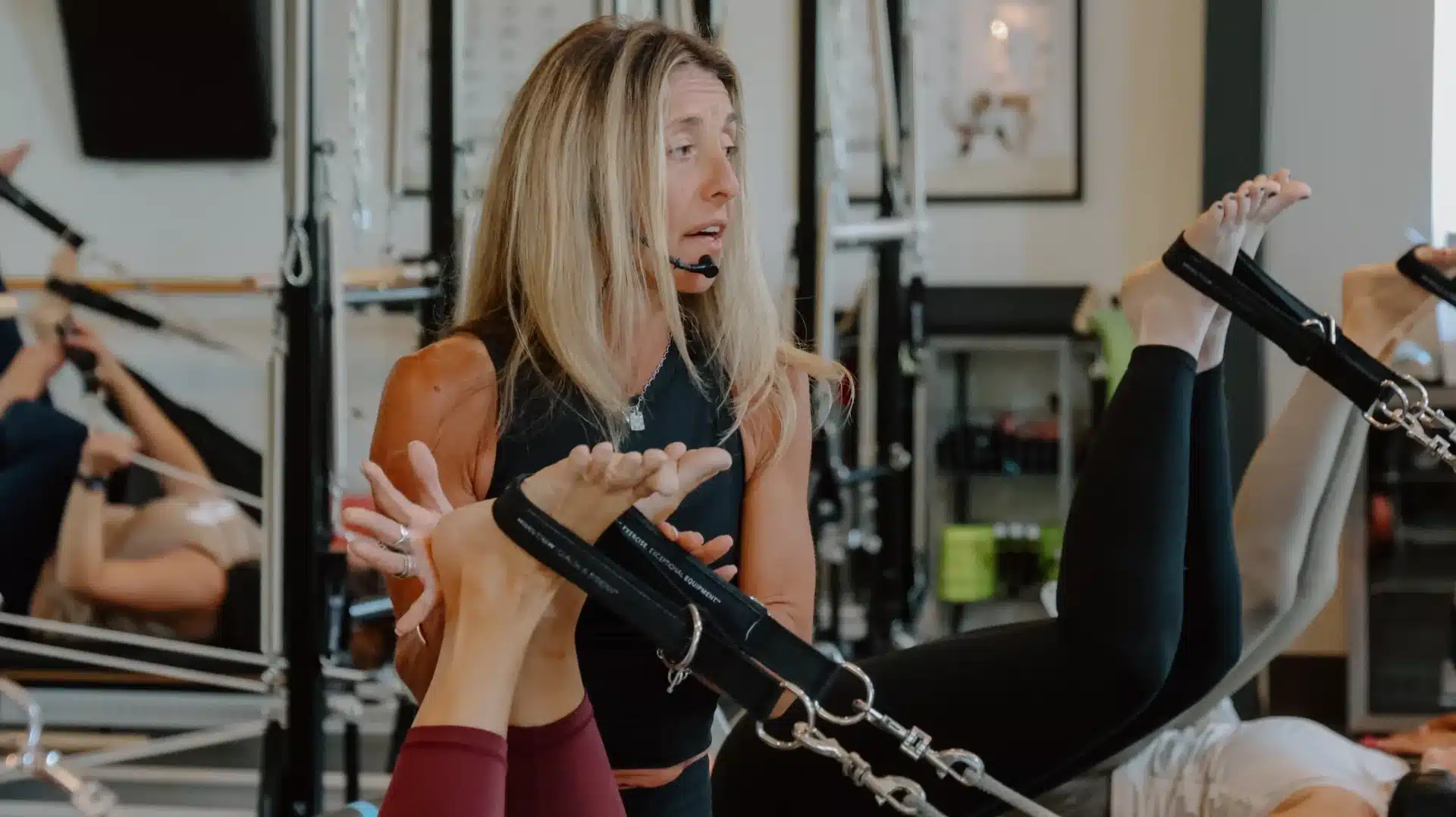
Current research shows that neuromuscular training and mental rehearsal can reshape the body as powerfully as traditional physical exercise. Elite athletes routinely spend as much time visualizing themselves executing plays with precision as they do in physical practice, using imagery as a key part of their training. Studies in neuroplasticity suggest that repeatedly visualizing a movement, such as performing a biceps curl, can increase strength and alter muscle activation patterns, demonstrating how strongly the mind can influence the body. In Pilates, this mind–body connection is deliberately integrated into each session. Focused attention, balance challenges, and proprioceptive feedback help create and reinforce new neural pathways that more efficiently coordinate movement. When exercises are performed with the eyes closed, the brain can no longer rely on the optic nerve and visual input to guide muscle activation. Instead, it must depend on internal sensation and environmental cues to create a feedback loop, which strengthens mind–body coherence and deepens awareness over time. This is one of the reasons Pilates can be so effective for integrating balance, mindfulness, breath, and “brain training”—it functions like a brain gym as much as a physical workout. While this approach is extremely valuable for clients recovering from stroke or other nervous system conditions, you do not need an injury to benefit. This kind of work helps reduce stress and supports the mindfulness and holistic health practices that are known to support healing from the inside out. One of the sayings often shared with students is, “When the mind drifts, the body tells on you.” Pilates is especially powerful for people who need to be challenged to stay present in the moment and to train the brain to feel, not just to do. Pilates also offers a distinctive approach to breathing that sets it apart from yoga. In many styles of yoga, breath is primarily used to calm the sympathetic nervous system, activate the parasympathetic response, quiet the mind, and encourage full, relaxed belly breathing for muscular release. In Pilates, the intention of the breath is almost the opposite: the breathing pattern is designed to help activate the deep core muscles, stabilize the pelvis, and create a strong framework for balanced, safe movement.
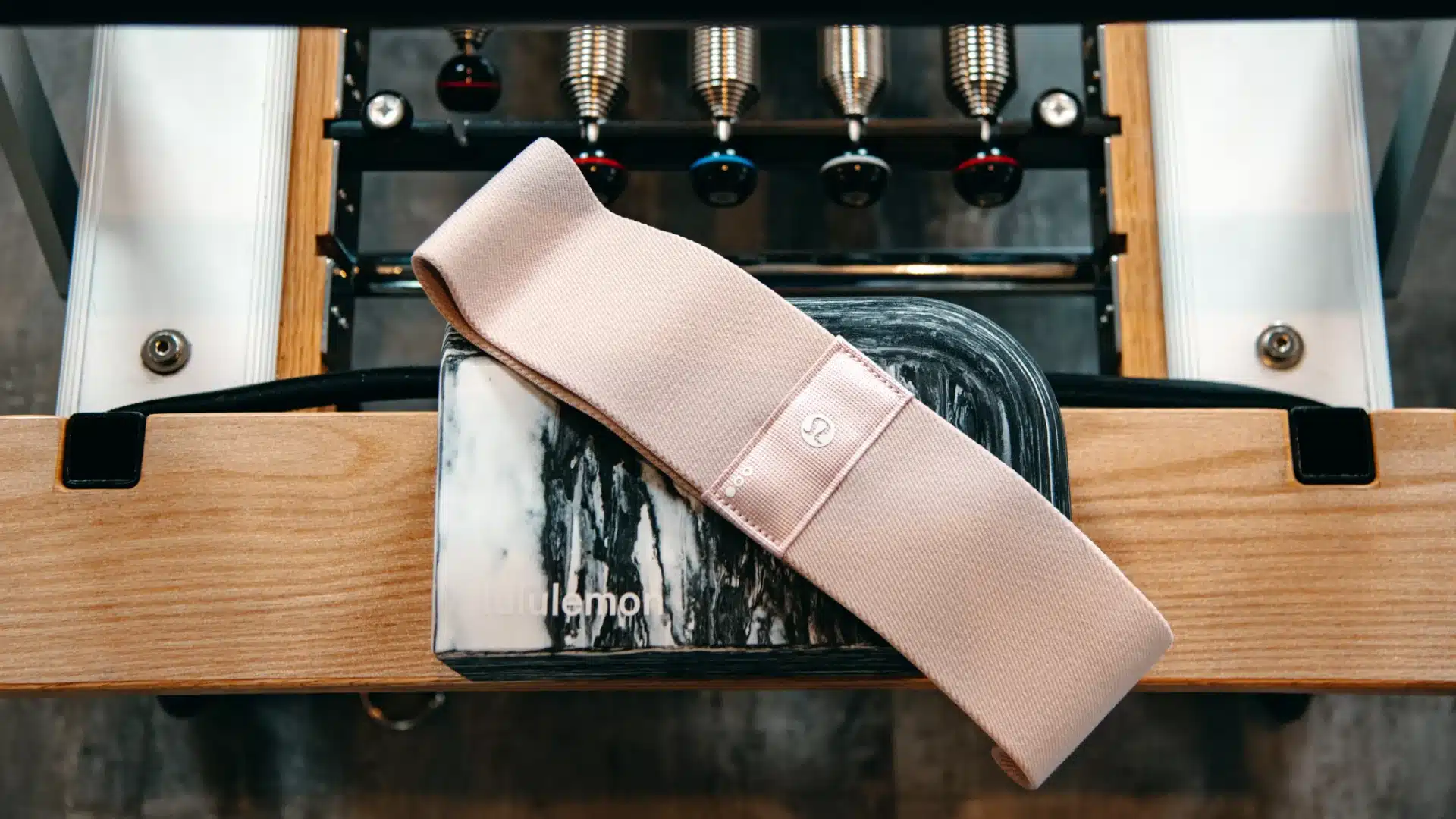
Because of this, Pilates places a high emphasis on precise form and functional alignment to recruit the deepest layers of muscular support. While yoga often focuses primarily on flexibility, Pilates seeks a more equal balance between strength and flexibility. The use of springs, straps, and controlled resistance, combined with precise and fluid movement, demands continuous control and connection. This is one of the reasons Pilates is so effective in developing strong, toned, and lean muscles. Although Pilates and yoga share goals such as mindfulness and improved mobility, the way they train the body—and the outcomes they produce—are meaningfully different.